With the summer coming to an end and school and work routines coming back into effect, it’s a great time to give your dog or cat a quick check, after a summer well spent exploring!
For cats and dogs, a quick, hands-on check can help you spot any issues that may have come about this summer – from ticks to sun exposure, burnt paw pads to seasonal weight fluctuations.
Of course, this check doesn’t replace seeing your vet about any concerns or issues your pet may have, but it can help to spot if something has changed with their health. See the checklist below for how, where and what to be on the look out for in your cat or dog.
How to check my dog or cat’s skin or coat after summer
After playing in the summer sunshine or being out and about in the countryside (where pesky fleas and ticks may be), it’s a good idea to give your cat or dog’s skin and coat a quick check for signs of sun exposure or evidence of insects or the effects of allergens.
To do so:
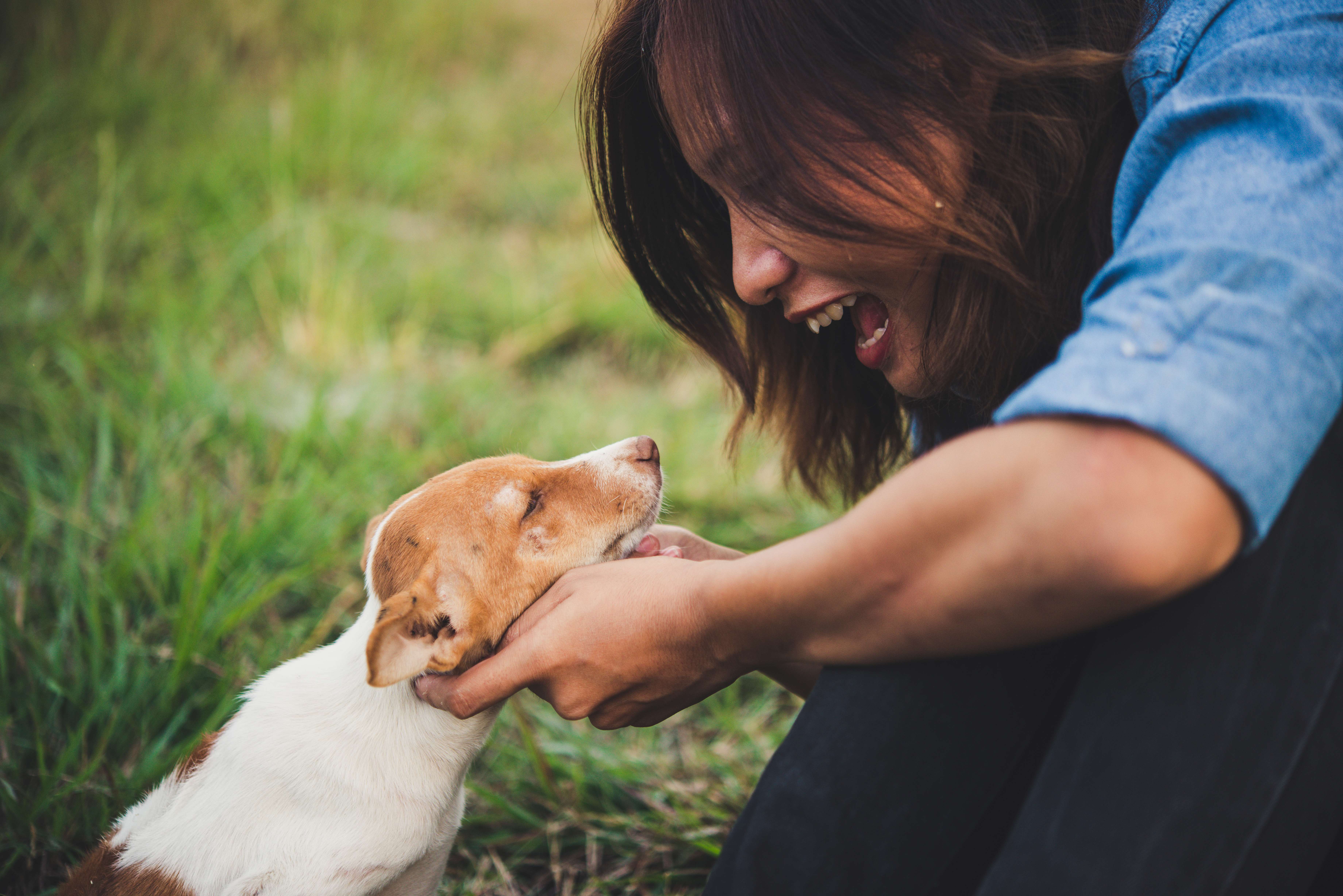
Run your hands over your pet’s body slowly, feeling for new bumps, lumps, flaky or bald patches or areas with thinning fur. Check areas often exposed to sun, such as their belly, inner thighs, nose, and the tips of their ears.
If you notice any lumps, which feel hard, sores that aren’t healing, wounds, dryness or notice them itching, you should speak to your vet.
What to look for in my pet’s ears, eyes, nose and mouth after summer
Perhaps you took your furry friend to the beach this summer, maybe your pooch played in the sea, or even just chased the hosepipe in the garden... Warmer weather and more activity outdoors or in new environments, for example, at the beach, could lead to skin irritation from sun, saltwater or biting insects. It could also mean ear infections, from trapped water, so it’s a good idea to check their ears, eyes, nose and mouth too.
To do so:
Check inside their ear flaps, gently, without use of cotton buds, looking for redness, swelling, dark discharge or pain to the touch.
To check their mouth, lift their lip gently, looking for broken or loose teeth or brown tartar. If you notice their gums bleeding, breath is bad or they are chewing on one side of their mouth or reluctant to eat, contact your vet.
Their eyes and nose can be observed more easily. Eyes should be free of redness or cloudiness, and their nose should be moist and soft, free of crusts, sores and thick or coloured discharge. Get in touch with your vet if you notice any of these symptoms, or if they are struggling to open or keep open, their eyes.
What to look for in my pet’s paws and nails after summer
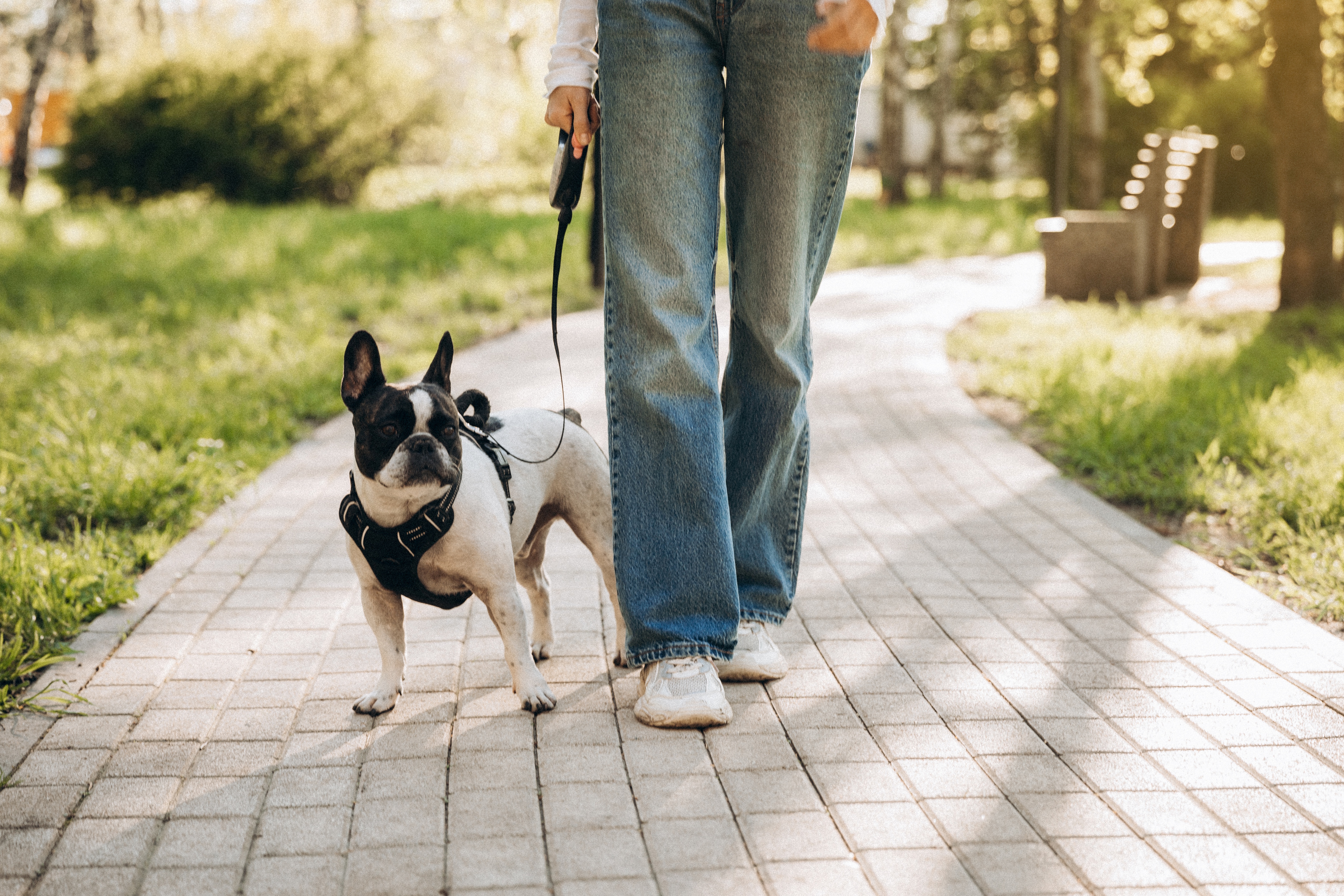
With the pavements heating up in the summer sunshine, and extra activity taking its toll on your pet’s footpads, a quick check of their paws and nails after summer is a good idea.
To do so:
Lift their paws one at a time and inspect the pads for signs of soreness, burns, cracks or blisters. It is also a good idea to feel between their toes gently for grass seeds or foreign bodies that could irritate them. Check their nails for splitting or breaks.
How to check my pet for fleas or ticks
Summer is prime time for fleas and ticks, and if your pet has been out and about in the countryside, around moist environments and stagnant water like ponds, or in thick, dense vegetation, it’s a good idea to give them a quick check.
To check for fleas:
Comb through their fur, along their neck, back, belly to their tale base, looking for live fleas, redness or irritation, areas of hair loss or bald patches and tiny dark specks in their fur. Brushing them with a fine-toothed comb, and rubbing this on a white cloth after brushing, is a good way to check, as it’s easier to see if there are dark spots which could be fleas or their droppings.
If you do find evidence of them, treatment is better done sooner rather than later, and your vet can best advise on which course of action would be best.
To check for ticks:
Feel for small lumps on your cat or dog’s skin, concentrating on areas of their body where the fur is thinner, as ticks are more likely to be found in the folds of the skin such as around the toes, neck, armpits etc.
If you find a tick, it’s crucial to remove it completely by using tick tweezers, which prevent the head of the tick remaining in the skin. Push the tick tweezers as close to your pet’s skin as possible and twist rather than squeeze the tick out. Make sure to check that the head has been removed fully, as it can cause infection if it’s left behind in your pet’s skin. Using antiseptic or antibacterial soap on the area as well can also help to prevent infection.
If you’re unsure on the removal process, speak with your vet.
How to check my pet’s ‘Body Condition Score’
With the hot weather, your pet may have been eating less than usual, as the heat can reduce their appetite. It is a good idea to check their 'Body Condition Score’, which is a simple check of the body shape of your cat or dog, measured by hand and compared to a standardised 9-point scale.
Monitoring your furry friend’s body shape, as well as their weight on the scales, after a summer of potential reduced appetite, will give you a good indication of whether they’ve gained or lost weight, and whether they’re still in a healthy range.
To do so:
Run your hands along your pet’s sides, under their stomach, along their back and the base of their tale. For an in-depth explanation of what to look and feel for, and for the 9-point scale chart to compare to, find more information on the PDSA’s Body Condition Scale guide for cats, or their guide for dogs.
Some pets will be exercising more in summer, as well as eating less, so a seasonal weight change could be completely normal for them. However, if it seems out of the ordinary for them, having experienced previous summers with them too, or that they’ve lost weight without much lifestyle change over the summer, it could be good to speak to your vet.
Insure Your Paws customers can get seasonal pet care advice, simple treatment recommendations and help with general pet care queries, by speaking with one of our registered vet nurses, anytime via our Assist Your Paws careline.
/young-domestic-cat-lying-outdoor-between-flowers-2026-03-13-04-20-09-utc.jpg?width=5690&height=3793)
/happy-cheerful-hipster-girl-playing-with-her-dog-i-2026-01-07-00-55-59-utc.jpg?width=7360&height=4912)
/iStock-2198220847.jpg?width=2160&height=1387)
/girl-walking-dog-on-leash-girl-walking-french-bul-2026-01-09-10-09-04-utc (1).jpg?width=6154&height=4103)