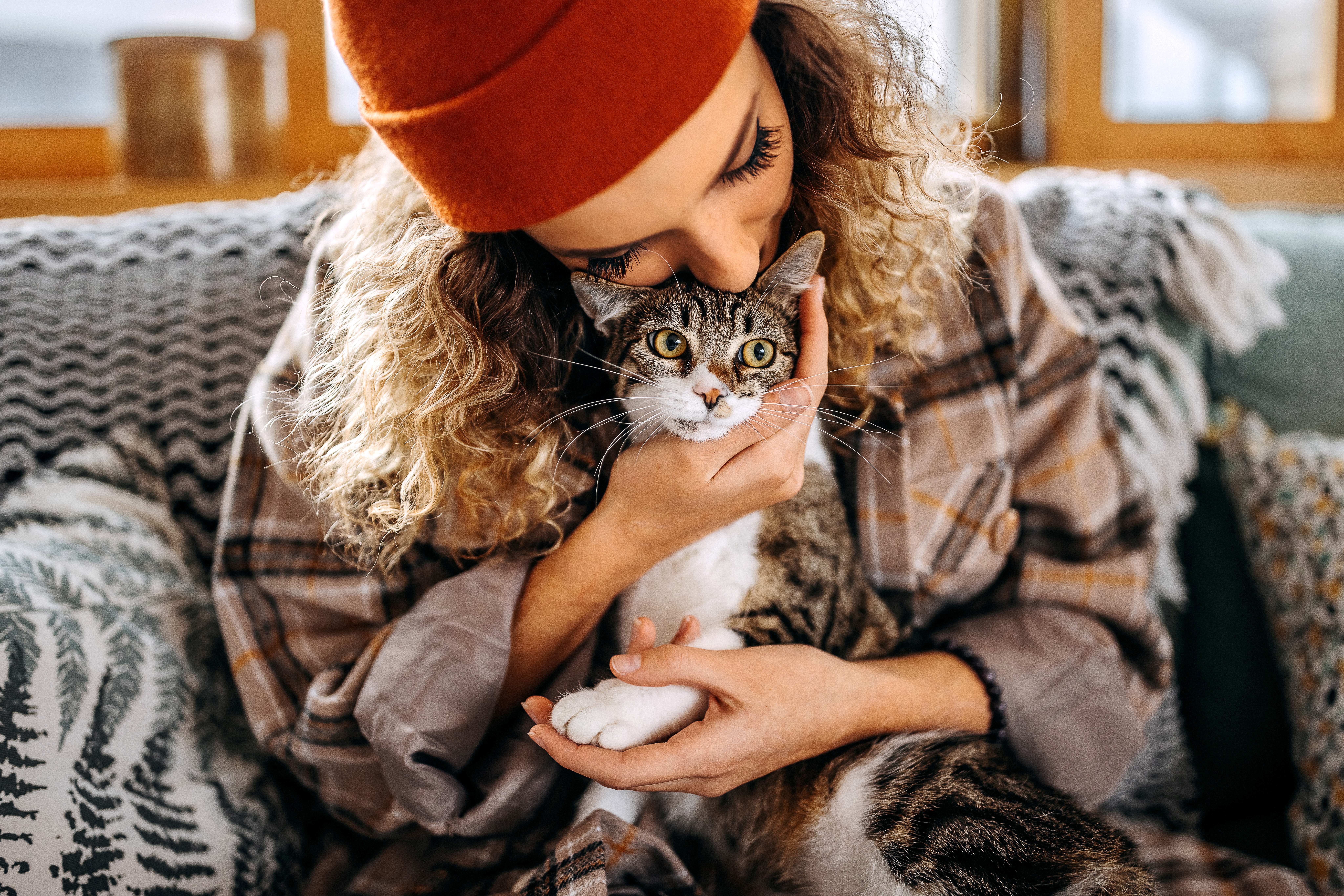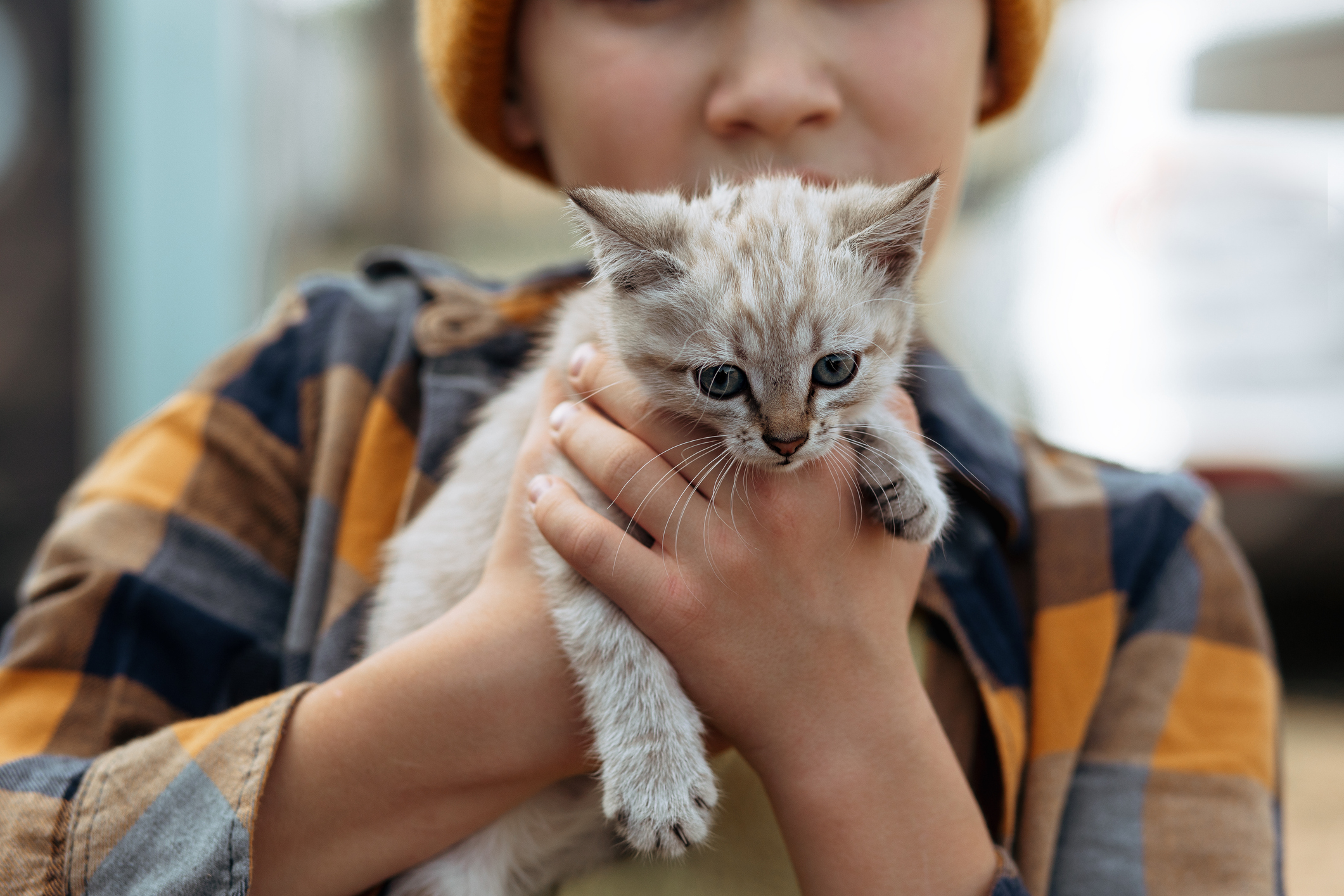
From nutritional tips, to when to take them to the vet and which vaccines to get, we’ve put together some advice for new kitten parents to make settling in their new feline friend run smoothly.
What should I feed my kitten at this stage of their development?
This initial growth phase of your kitten, up until they’re considered a cat at around 12 months old, is crucial in determining their future health and quality of life. Making sure they’re receiving all the nutrients they need during their development, is very important and lessens the potential for health issues as adults.
For this, their food must contain protein, carbohydrates, fat, vitamins, and minerals. If your kitten is fed a complete balanced diet, they will not require any supplements. Your kitten will require more nutrients and energy than an adult cat because they are growing.
Your kitten is a true carnivore, and kitten and cat foods are specially adapted for this. It’s vital they are fed a diet designed for carnivores to keep them healthy.
There are several amino acids, which must be in your kitten’s food to ensure their health and growth, such as taurine and arginine. These amino acids cannot be produced by your kitten's body. If you feed them a complete kitten food, they will receive good levels of these vital proteins, plus sufficient calcium levels for growth.
As your kitten grows, their weight gain will start to level off. More of their daily energy needs will be used for maintenance and less will be used for growth. While in the growth phase it’s a good idea to monitor your kitten’s ‘Body Condition Score’ regularly. This will allow you to track their growth rate and adjust their feeding amounts as needed.
What is a Body Condition Score and how is it calculated?
Checking the Body Condition Score of your kitten is simple and can be done at home; it will also be carried out by your vet or vet nurse when you visit them for your pet’s regular health checks. It is a simple check of the body shape of your kitten, measured by hand and compared to a standardised 9-point scale.
Monitoring your kitten’s body shape, as well as their weight on the scales, will give you a good indication of whether they’ve gained or lost weight, and whether they’re in a healthy range.
It involves running your hands along your cat’s sides, under their stomach, along their back and the base of their tale. For an in-depth explanation of what to look and feel for, and for the 9-point scale chart to compare to, find more information on the PDSA’s Body Condition Scale guide.
Do different breeds of kittens require different types of food?
Nutritional needs do vary between breeds, with specific kitten foods on the market considering the different traits and risk factors for health problems of the different breeds.
For example, some breeds are more prone to urinary issues, and foods for those breeds often balance minerals to look after their bladder health. Breeds like the Maine Coon are known to be large with powerful muscles so joint health and cardiac support are often included in foods aimed for those kittens.
Other considerations for food types include the shape and texture of the kibble, which can help breeds such as Persians pick up and chew their food.
How can I make my kitten feel comfortable in its new environment?
Joining a new family is a great adventure, but it can also be daunting for your new kitten. They will benefit from having a quiet, safe place to rest, and it is quite common for them to hide within this space for the first few days or weeks upon moving into their new home.
As they adjust to their new surroundings, they will begin to explore the rest of the house and interact with their new human family members. Give them time to do so and make sure there are safe hiding spots dotted around the house for them to take respite in, should they need to.
When setting up their food and water bowls, keep in mind that cats prefer their water to be set away from their food bowl and litter tray.
When should I introduce them to their new outdoor space?
If they are going to be an outdoor cat, make sure they have had the necessary vaccinations they may require, which you can find more information on in our recent Vaccinations FAQ article, have been neutered, microchipped and are fully settled into their new home.
A realistic time frame and recommended age for introducing them to a garden or outdoor space for the first time is when they are around 4 months old. When doing so, do not force them by carrying them out, as this can cause stress, let it be of their own accord. Make sure to supervise them when outside, and it is also a good idea to begin teaching them to come back inside when called, which can be incentivised with treats, at this time.
Make sure your garden or outdoor space is safe for them and inviting. This can mean with spots for them to relax in the sunshine, with places to hide, good scratching spots to help keep their claws in good condition and somewhere for them to go to the toilet.
How do I brush and bathe my kitten?
Keeping your new kitten well-groomed and bathed (only when needed), is essential for reducing shedding and preventing their fur from getting tangled.
Brushing your kitten's fur will require different tools and different frequencies depending on their breed. Breeds with longer fur will require more frequent brushing, and with a brush rather than comb, as would be used for kittens with shorter fur. Look to brush your kitten at least once a week, brushing gently from the head down the body.
Only bathe your kitten when necessary, for example when they have rolled in something sticky that they cannot clean out themselves, or if their fur has become matted, and do so with kitten-safe shampoo.
When should I take my kitten to the vet for the first time?
The timeline for this will depend on whether you adopted them from a rescue shelter or bought them from a breeder.
However, as it is recommended for your kitten to have some of their first vaccinations at 9 weeks old and a booster set for some at 12 weeks old, and you may have many questions ahead of this, look to book a vet appointment the week you bring them home. This is a good idea as it will help them get familarised with their vet ahead of some of the more stressful appointments and will help give you peace of mind answering questions about their care and comfort.
For this first appointment, you will need to take their paperwork with you including their microchip information (if you have received it) and health records from the shelter or breeder you adopted or bought them from.
You may also need to get your kitten accustomed to their travel carrier a day or two before you go, so that the journey there goes smoothly. This can be done by making it comfortable for them with a blanket or toy inside and keeping the door open when at home, so they can explore the space on their own.
What should I ask my vet on my kitten’s first vet appointment?
As your new kitten gets settled in and you become more familiar with its behaviour, eating habits and its likes and dislikes involving toys, human interaction and more, you will formulate your own questions. However, some good standard questions to ask can include:
What vaccinations would you recommend for my kitten and what ages should they get these?
What is a healthy weight and how much should they eat per day?
What are common parasites in kittens and what are some steps I can take to avoid them?
Are there any breed-specific traits or health concerns for my breed of kitten?
Where is the nearest emergency vet clinic?
How can I help keep my kitten’s teeth, gums and claws healthy?
What are some top tips for litter training my new kitten?
Your new kitten is going to need a kitten size plastic litter tray, filled with kitten litter. It’s also preferrable to place this on top of newspaper in case of litter spillages. A good location for it is a quiet corner, away from food or water bowls. Keep it clean by removing the soiled litter daily.
If you find they’re not using this tray, then it’s a good idea to watch them as they explore, for signs they are about to go to the toilet, and then move them to the litter box to help teach them that that is the appropriate place to go.
If they continue not to use this tray then the type of litter used, or the size or location of the tray could be the issue. It may take some trial and error to get the set up as they like it. Speak to your vet if they continue to refuse to use their litter tray.
How can I make sure my kitten’s health is protected?
Having pet insurance in place and registering your new kitten with a vet, before you bring them home, is a good idea. UK pet insurance providers tend to offer four main types of cover: Lifetime Cover, Accident-Only, Time-Limited and Maximum Benefit.
A few factors will come into play when choosing which type of pet insurance is best for your kitten, most notably their breed and your financial situation, in terms of how much you can afford to pay in premiums and out-of-pocket costs.
Here at Insure Your Paws, we only offer Lifetime Cover, as we believe it’s the most comprehensive cover. However, we’ve written a guide about choosing the right pet insurance, detailing the different types of cover on offer.
We have also done some research on the importance of tracking your cat. And the pawsitive benefits of owning a pet.
Getting a new kitten is exciting, but it can also be challenging. Every Insure Your Paws customer has access to Registered Veterinary Nurses via our Assist Your Paws helpline, if you have any concerns about any aspect of your new kitten’s health or behaviour,

/beautiful-couple-with-a-dog-on-the-grass-2026-03-10-03-19-54-utc.jpg?width=4500&height=3000)
/happy-cheerful-hipster-girl-playing-with-her-dog-i-2026-01-07-00-55-59-utc.jpg?width=7360&height=4912)

/iStock-1417875112.jpg?width=8192&height=5464)