
Got a new little four-legged friend joining the family and not sure where to start getting them settled in, groomed or toilet trained? We’ve put together some advice for new puppy parents to make settling in your new canine friend run smoothly!
What should I feed my puppy?
Meeting your puppy’s nutritional needs during this phase of their development is crucial to set them up for life. Puppies need food that is specially formulated for this stage of their life, which typically tends to be high in protein, calories and fat, to best support their growth and brain development and give them the energy they need. Puppy food also has optimised mineral content, which works to promote their bone, teeth, and joint development. When shopping for puppy food, look for food specially formulated for puppies, with a named protein such as lamb or chicken, rather than just ‘meat’.
If you bought your puppy from a breeder, they will likely give you a small supply of the same food that the puppy has been eating whilst in their care. You can continue with this brand or type of food if it meets your puppy’s needs, or gradually switch to a new one that may better suit, if recommended by your vet.
How often should I feed my puppy?
The amount and frequency your puppy will need to be fed will be established when you first see your vet, but as a guideline they should be fed between 3-5 times a day. This will also vary depending on how many weeks or months old they are, as an 8 week old puppy will need a different amount of food to a 6 month old puppy. Typically, their food intake will decrease as they progress through puppyhood into adulthood. The transition to adult dog food again varies by the size and breed of your furry friend, but it is around 9-12 months for smaller breeds and for larger breeds the switch can be made much later, between 18-24 months.
Feeding your puppy at the same times daily helps to establish a routine and can help the human members of the family avoid potentially overfeeding their four-legged friend. And don’t forget, they also need access to fresh, clean water (just like us humans).
How do I toilet train my puppy?
Toilet training a young puppy can be tricky, given that puppies don’t tend to have full bladder control until they’re around a year old. That being said, as long as you, as their owner, know the signs of when they need to go to the toilet, are consistent in where and when you take them to relieve themselves, and add a small reward into the process immediately after they’ve finished, there’s no reason for it not to be a success!
Common signs a puppy may show when they need to go to the toilet include: fidgeting, sniffing around, becoming restless or whining and pawing at the door to signify they’d like to go outside. Puppies around 8-10 weeks typically need the toilet every 1-2 hours, so make sure to take them when they’ve woken from sleep, after playtime, after eating and drinking, and after periods on their own. As they get older and their bladder strength increases, they will need the toilet less frequently, with puppies over 6 months often being able to hold it for 6 hours or more.
How much exercise does my puppy need a day?
A simple rule to remember around exercising your puppy is the ‘5 minute rule’, which recommends that for each month of their age, their exercise should increase by 5 minutes, and should be twice a day. For example, if your puppy is 1 month old, 5 minutes of exercise, twice daily, would be just right, and for a 2 month old puppy, 10 minutes twice daily would be the right amount.
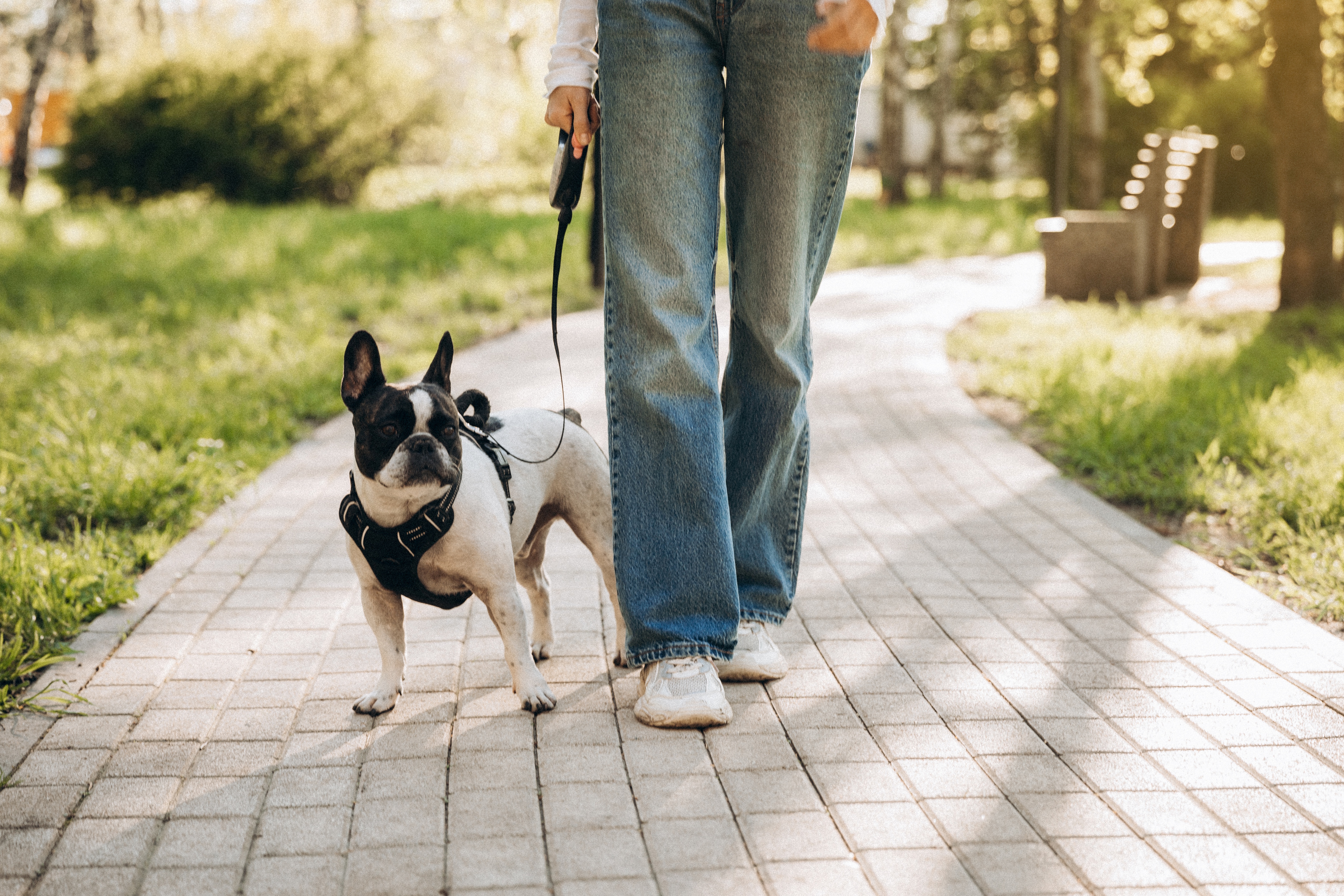
As they get a bit older, beginning around the 4 or 5 month mark, more engaging games, in addition to walks, should be incorporated. As puppies are still growing and their bones and muscles are still developing, it’s crucial to not over-exercise them. A simple walk (make sure they’re fully vaccinated before taking them to the park or to areas where other dogs may be) and some playtime in the garden with games like tug-of-war or basic command training, are suitable types of exercise for your puppy.
How can I puppy-proof my home?
When assessing your home for what might need to be thrown out, put away or put out of the puppy’s reach, begin with looking to the floor. Here, there could be cables that may be chewed, for which you should use cord covers, or tuck away. Another handy way of keeping your puppy’s mind off chewing cables and giving themselves a shock, is to make sure they have adequate chew toys. Also on the floor, in easy access of your puppy, are trash bins. Make sure these have secure lids so your puppy can’t root through them or put them to a higher height out of reach.
Moving up to desk space, you may have plants or flowers on display that are toxic or harmful to your puppy. These include daffodils, hyacinths, and tulips, with a number of other surprising plants on the list. Have a read of this helpful list of plants that are poisonous to dogs, that Blue Cross has put together. To be safe, even if they seem out of reach, look to remove these from the home and garden. In a similar vein, medications, for humans or animals, that may be left on countertops, should be securely stored away.
Ensure that furniture is safe and stable in spaces that your puppy will be exploring within the house and look to create them a safe and comfortable space (more on this below!).
How can I make my new puppy feel comfortable in their new home?
Moving in with a new family can be daunting for a puppy, so you will need to prepare a safe space for them where they can rest and feel secure. This could be a bed or crate that can be covered (on top and three of its sides) in a quiet spot inside the house. If you bought your puppy from a breeder, then they may be able to supply a toy or blanket with the mother’s scent on, that can be used to help them settle in.
Remember that they will also be exploring the garden if you have one, so it is a good idea to make sure the fencing is intact and sturdy, and any toxic or harmful plants have been removed. To distract your puppy from digging under the fencing, as they may have the instinct to do, it is a good idea to provide a ‘digging area’ like a sand pit, for them to safely put this instinct into play.
Does my puppy need to be vaccinated and microchipped?
It is a legal requirement in the UK that puppies over 8 weeks old must be microchipped and when they are in a public place, it is also required that they should wear a collar with an identification tag. Our past article about UK dog laws you should know, which includes information about microchipping your dog, can be used as a helpful starting point on the topic.
Getting your puppy vaccinated, though not a legal requirement in the UK, is very much recommended, though there are a number legally required should you take your puppy with you on international travels. Though the choice on whether or not to vaccinate your puppy is entirely yours as their owner, the benefits of giving them lifelong protection from a number of sometimes fatal diseases, can outweigh the mild symptoms that may present as an initial reaction to getting the vaccine; a common reason that dog owners cite when not vaccinating their puppies. Take a read of our previous article on vaccinating your pet for further information.
How do I groom my puppy?
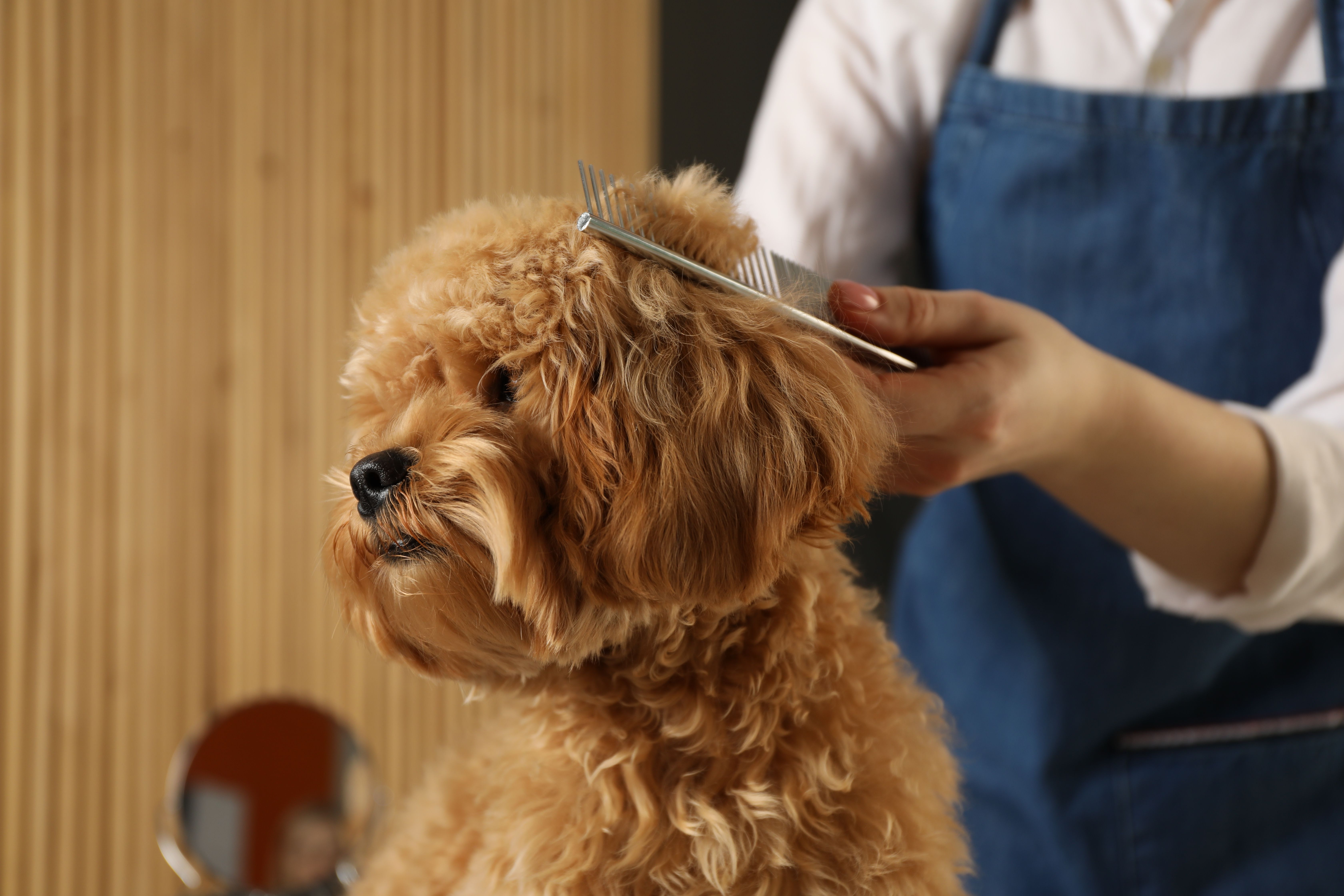
It is recommended to start grooming your puppy as soon as you’ve brought them home, as the earlier you begin the process, the quicker they will become familiar with it and be less stressed by it. Grooming is as simple as regular but short sessions of brushing your puppy with an appropriate dog brush for their coat type. Trimming their nails every 1-2 weeks and bathing them with a sensitive dog shampoo every 3-4 weeks, or more regularly if they’re prone to jumping in puddles!
At first, especially if they are very young, puppies can be quite unnerved by the process, which for them involves new sounds and sensations. To ease them into it, keep grooming sessions short and look to introduce positive reinforcement in the form of a treat for good behaviour during grooming, to help them understand it can be fun!
When should I first take my puppy to the vet?
Your puppy should have their first vet checkup when they are between 6 and 8 weeks old. This is so that any underlying health issues they may have, can be caught early, so that they can receive the first of the vaccines they will need to keep them protected in their daily life and so that you, as their new owner, can get tips on how to best care for them.
If you have concerns or questions about caring for your new puppy, just know there are no silly questions! If you have already seen your vet and have insured your puppy with Insure Your Paws, which can be done from 8 weeks of age, we have a careline available 24/7 for you to call should you have queries or concerns around your puppy. Find out more about our Assist Your Paws careline.
How can I make sure my puppy’s health is protected?
It is recommended to register your puppy with a vet, and have pet insurance in place, once you bring them home. In the UK, four main types of pet insurance are offered by insurance providers: Lifetime Cover, Accident-Only, Time-Limited, and Maximum Benefit. The type that will be right for you and your puppy comes down to several factors, such as your pet’s breed, age, and your financial situation, in terms of how much you can afford to pay in premiums and out-of-pocket costs.
Here at Insure Your Paws, we only offer Lifetime Cover, as we believe it’s the most comprehensive cover, but we’ve also put together a guide about choosing the right pet insurance, detailing the different types on offer, which may be helpful to you.
Bringing a new puppy home is exciting but getting them settled in and adapting to life with them can be challenging, especially when it is your first time owning a puppy. Every Insure Your Paws customer has access to Registered Veterinary Nurses via our Assist Your Paws helpline if you have any concerns about any aspect of your new puppy’s health or behaviour, you can speak to them any time, night or day.
If you're considering purchasing a pet insurance policy with Insure Your Paws. Let your friends know and check out our refer a friend scheme.
/girl-walking-dog-on-leash-girl-walking-french-bul-2026-01-09-10-09-04-utc (1).jpg?width=6154&height=4103)
/young-domestic-cat-lying-outdoor-between-flowers-2026-03-13-04-20-09-utc.jpg?width=5690&height=3793)

/groomer-combing-cute-dog-s-hair-in-salon-closeup-2026-01-11-11-08-38-utc (1).jpg?width=6720&height=4480)